



Supporting your loved one through treatment
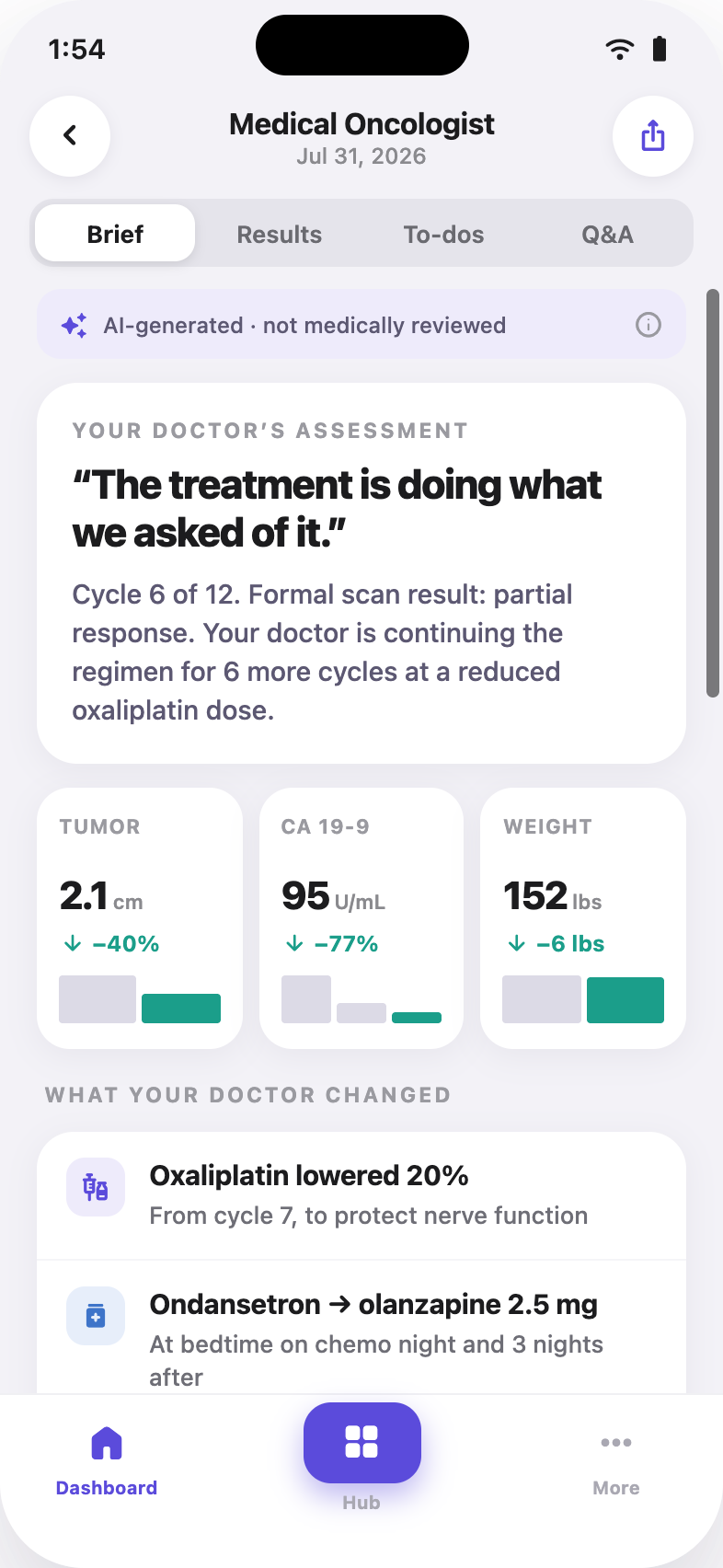
Treatment may include surgery, chemotherapy, radiation, immunotherapy or a clinical trial. As a caregiver you serve as advocate, organizer and emotional anchor.

Communicating with the medical team
Cancer care involves multiple specialists, appointments and treatment phases. Clear communication helps your loved one receive the best care possible.
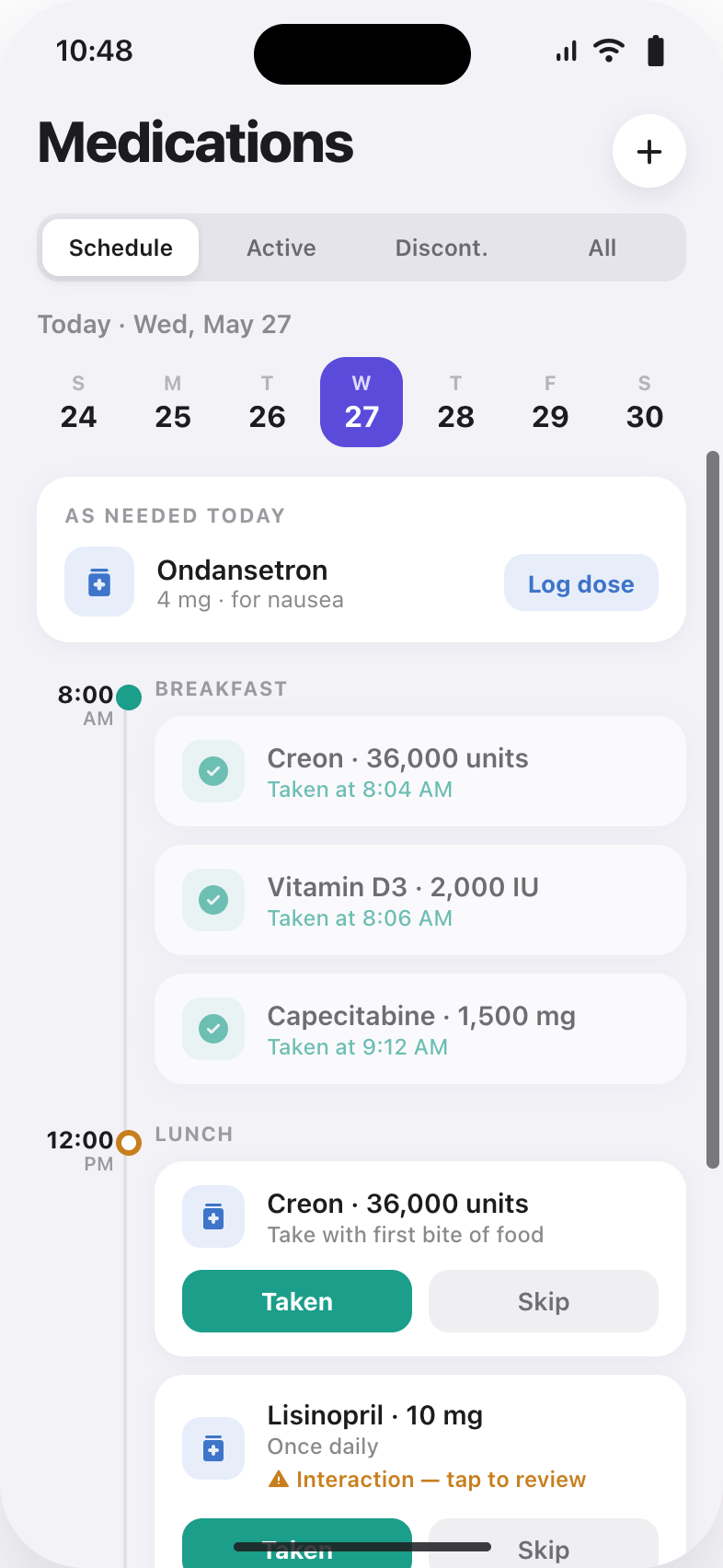
Managing appointments, medications and symptoms
Treatment schedules can feel overwhelming. Caregivers often manage the logistics that keep care on track.
Helping with nutrition and daily needs
Treatment can affect appetite, taste and digestion. Caregivers play a vital role in maintaining nutrition and daily comfort.
Encouraging participation in clinical trials
Trials may provide access to cutting-edge treatments, but caregivers often help navigate the details.
Emotional support during treatment
Treatment days can be long, exhausting and emotionally draining. Caregivers can help by bringing comfort items like blankets, music or favorite books; offering reassurance and staying present during treatments; and recognizing when professional counseling may be beneficial.
Key takeaway
Supporting a loved one through treatment requires patience, organization and compassion. From managing medications to advocating at appointments, caregivers play a vital role in navigating complex treatment plans.


Supporting your loved one through treatment
Treatment may include surgery, chemotherapy, radiation, immunotherapy or a clinical trial. As a caregiver you serve as advocate, organizer and emotional anchor.
Communicating with the medical team
Cancer care involves multiple specialists, appointments and treatment phases. Clear communication helps your loved one receive the best care possible.
Managing appointments, medications and symptoms
Treatment schedules can feel overwhelming. Caregivers often manage the logistics that keep care on track.
Helping with nutrition and daily needs
Treatment can affect appetite, taste and digestion. Caregivers play a vital role in maintaining nutrition and daily comfort.
Encouraging participation in clinical trials
Trials may provide access to cutting-edge treatments, but caregivers often help navigate the details.
Emotional support during treatment
Treatment days can be long, exhausting and emotionally draining. Caregivers can help by bringing comfort items like blankets, music or favorite books; offering reassurance and staying present during treatments; and recognizing when professional counseling may be beneficial.
Key takeaway
Supporting a loved one through treatment requires patience, organization and compassion. From managing medications to advocating at appointments, caregivers play a vital role in navigating complex treatment plans.